
Cancer Care
Cancer Care
When a change in your pet’s health raises the possibility of cancer, it can bring a lot of questions. Finding answers is important, and so is having a veterinary team by your side to help you understand them, what they mean for your pet, and what happens next.
How is cancer diagnosed in pets?
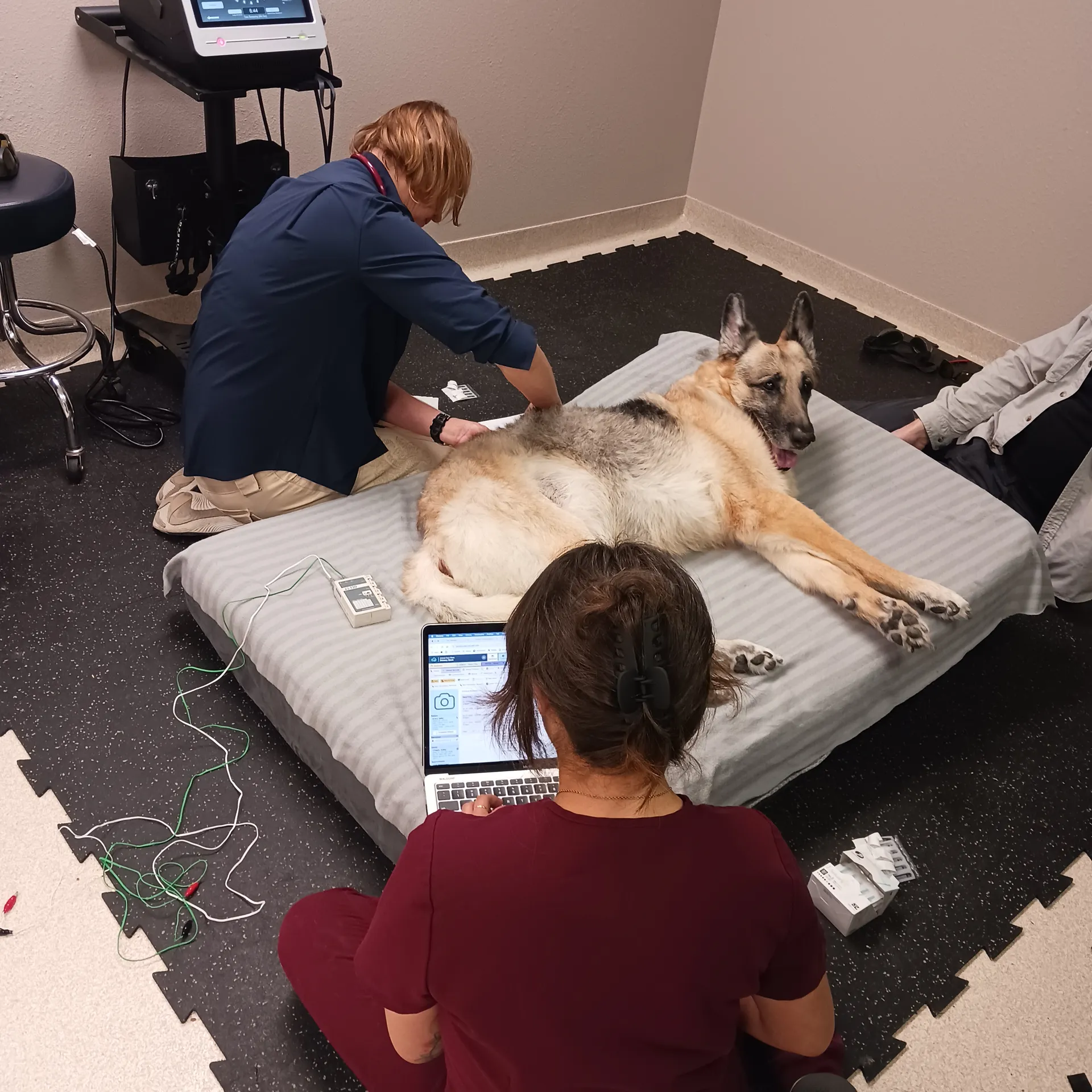
At Animal Care Clinic SLO, our veterinarians can manage your pet’s cancer diagnostic workup in-house. Depending on your pet’s needs, this may include diagnostic testing, imaging, or collecting samples for further evaluation.
Once we have more information, we’ll explain what we know, what it may mean for your pet, and whether additional testing, treatment, or specialty consultation is recommended.
What happens after my pet's cancer diagnosis?
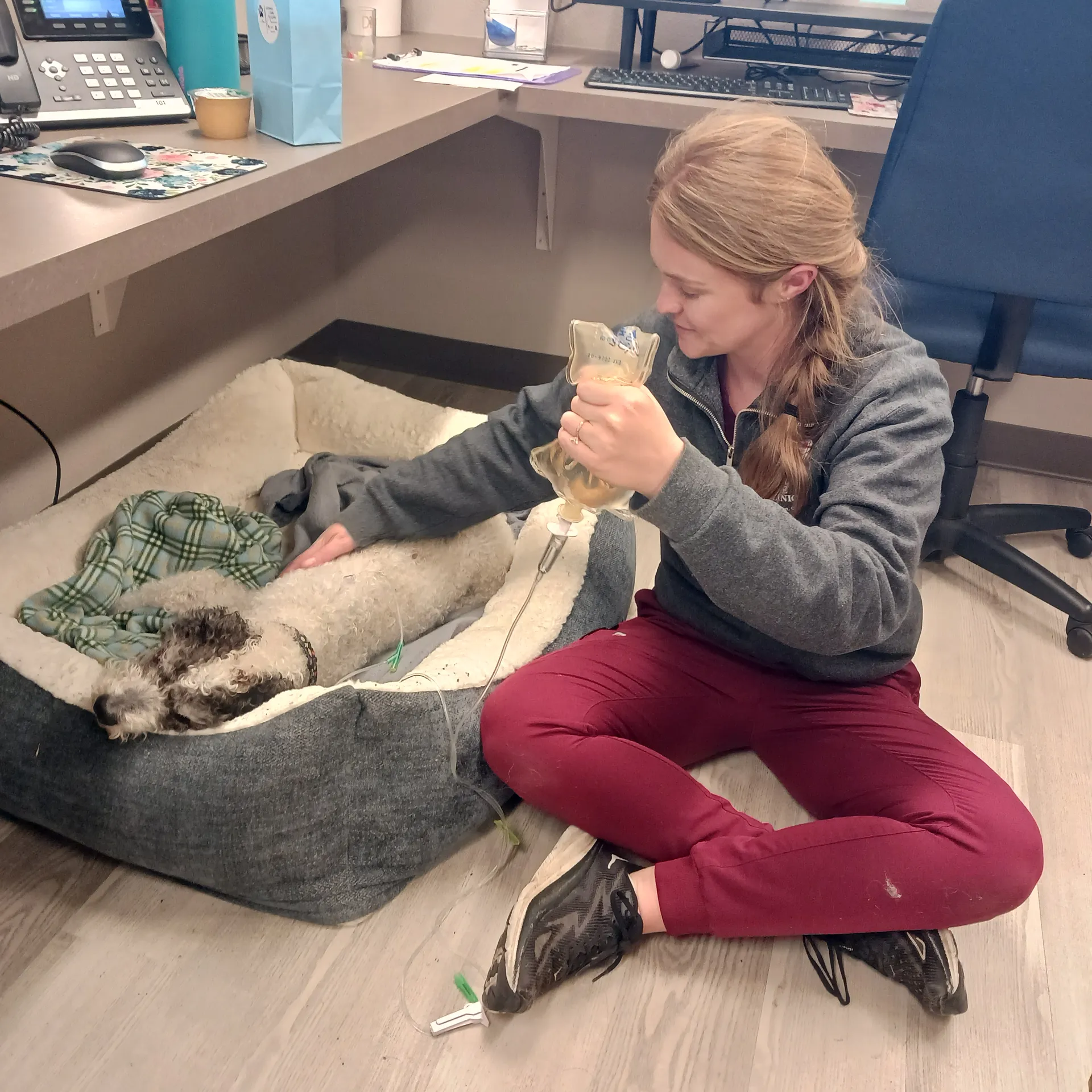
We understand that this can be an overwhelming time. We’ll help you every step of the way to understand your pet’s diagnosis and prognosis, weigh treatment options, and consider how each one may affect their quality of life.
Treatment recommendations will vary, but may include:
Surgery
STELFONTA® for eligible mast cell tumors
Referral for chemotherapy and/or radiation
Monitoring
Pain and symptom management
Palliative care
Next Steps and Treatment Options at ACC
Oncologic Surgery
For masses that can be safely removed, oncologic surgery can extend your pet’s life or be curative.
Our veterinarians are experienced in surgical mass removal. In some cases, referral to a specialty center may be recommended for advanced surgical care.
STELFONTA® for Mast Cell Tumors
For some dogs with mast cell tumors, surgery isn’t the only treatment option.
STELFONTA® is an injectable treatment for certain mast cell tumors in dogs. For eligible patients, our veterinarians can provide this treatment in-clinic, giving families another option for treating certain tumors without surgery or a specialty referral.
Oncology Referral
If chemotherapy or radiation therapy is recommended, we’ll coordinate referral to a board-certified veterinary oncologist.
We’ll remain closely involved in your pet’s care by maintaining contact with your specialist team and providing any necessary support, monitoring, and follow-up care close to home.