
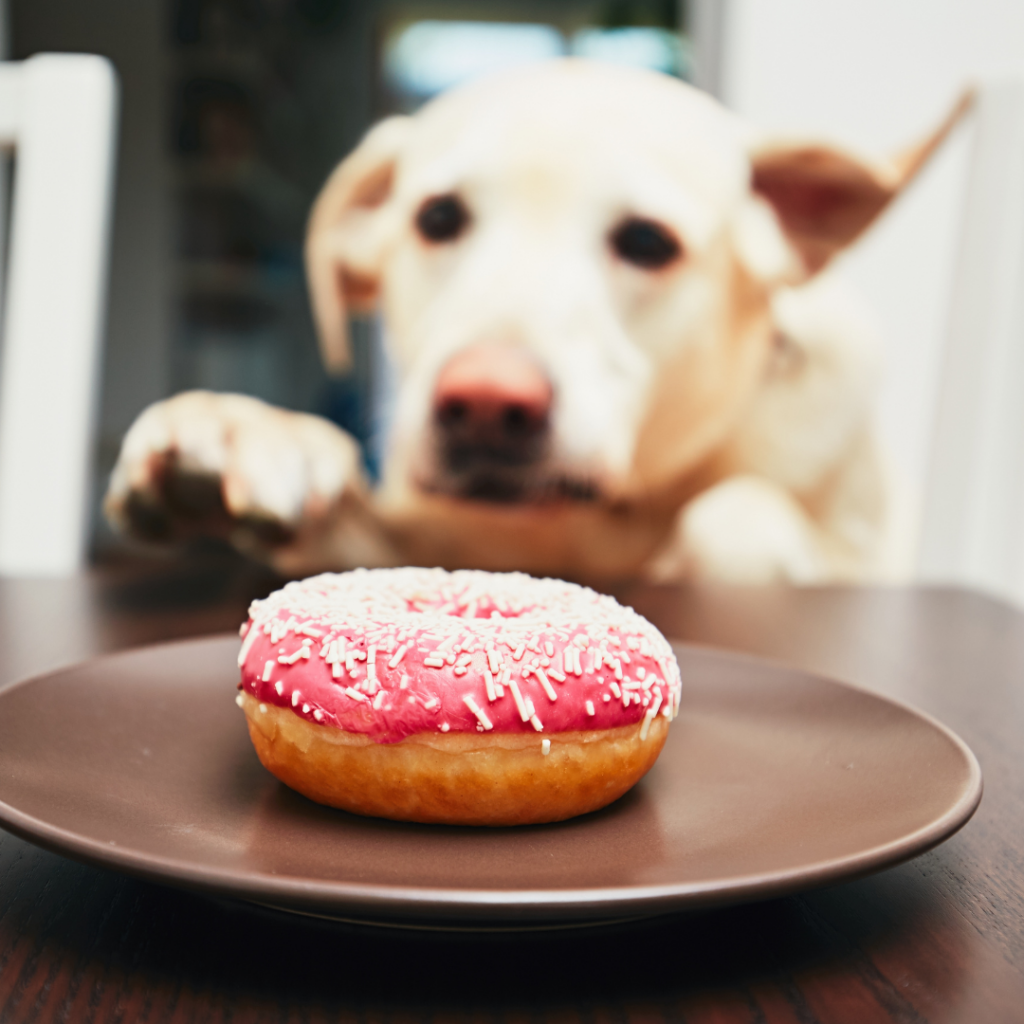
 It can happen quickly, your dog gets into the purse of a family member visiting for the holidays and suddenly everyone is frantically checking for ingredients of breath mints or gum.
Most pet owners are aware that Xylitol is toxic to dogs, and even in small amounts can be potentially lethal. What’s new is that the same plant based sugar substitute can also be listed on labels as birch sugar or birch sap. Always check the ingredients any time a product lists “sugar free” or “diabetic friendly” or “non fat.” We recommend keeping all Xylitol-containing food and household products away from your dog and in a secure place.
Products which commonly use sugar substitutes:
Sugar-free foods: baked goods/desserts, peanut butter, ice cream, candy, fruit drink, powdered drink mix, jelly/jam, cereal, yogurt, pudding/Jell-O, flavored gelatin, meal replacement/protein shakes, condiments including ketchup and syrup, chewing gum, breath mints
Medications: cough drop/syrup, chewable/gummy vitamins, liquid compounded medications
Dental care/beauty: toothpaste, mouthwash, shampoo, moisturizer, deodorant
 If you see your dog eat a product containing xylitol or suspect they may have eaten it, contact ASPCA Animal Poison Control 888-426-4435 and based on their advice, call us or head to your nearest emergency clinic. We do not recommend making your dog vomit or giving anything to your dog until you consult with your veterinarian or Poison Control. We also recommend bringing the packaging, or what’s left of it, when going into your veterinarian.
Symptoms of xylitol poisoning can appear within 10 minutes or be delayed up to 12-24 hours after ingestion and can include:
Vomiting
Lethargy/Depression
Stumbling/Lack of coordination
Confusion
Weakness/Loss of balance
Collapse/Coma
Seizures/Tremors
Reading product labels is one of the most important ways to prevent Xylitol poisoning in dogs. If a sweetener isn’t listed, it’s best to stay away!
*Xylitol’s toxic effects have not been reported in cats. However scientists are not in agreement that cats are free from the effects of xylitol poisoning, so for now we recommend keeping xylitol products away from all pets.