



Helping dogs, cats & exotic pets enjoy healthier, more comfortable lives
Dental disease is one of the most common health problems seen in pets, yet it often develops quietly over time. Many dogs, cats, and exotic pets continue eating and acting relatively normal even while experiencing significant oral discomfort or infection.
At Citrus Park Animal, Bird & Exotics Hospital, we believe dental care is about far more than fresh breath. Oral health plays an important role in overall comfort, quality of life, and long-term health for dogs, cats, birds, rabbits, reptiles, and other exotic pets.
As a full-service veterinary hospital serving Tampa Bay since 1984, our team provides professional dental care using modern diagnostics, dental X-rays, anesthesia monitoring, and individualized treatment plans tailored to each patient.
For more advanced or complicated dental procedures for dogs, cats, and exotic pets, such as endodontics (root canals), crowns, and oral surgery, we will help you find the best board-certified veterinary dentist and get your pet seen as soon as possible.

Why dental health matters
Dental disease affects more than just the teeth and gums. As infection and inflammation progress below the gumline, bacteria can enter the bloodstream and potentially impact internal organs over time.
What it can lead to
Untreated dental disease may contribute to:
 Chronic pain
- Difficulty eating
- Tooth root abscesses
- Bone loss
- Oral infections
- Heart, liver, and kidney stress
- Decreased quality of life

Because pets instinctively hide discomfort, many owners are surprised to learn how advanced dental disease has become before obvious symptoms appear.
Signs to watch for
Common signs of dental disease may include:
- Bad breath
- Tartar buildup
- Red or swollen gums
- Dropping food while eating
- Pawing at the mouth
- Facial swelling
- Difficulty chewing
- Decreased appetite
- Behavioral changes
- Excessive drooling
However, many pets show very few outward symptoms until dental disease becomes advanced.
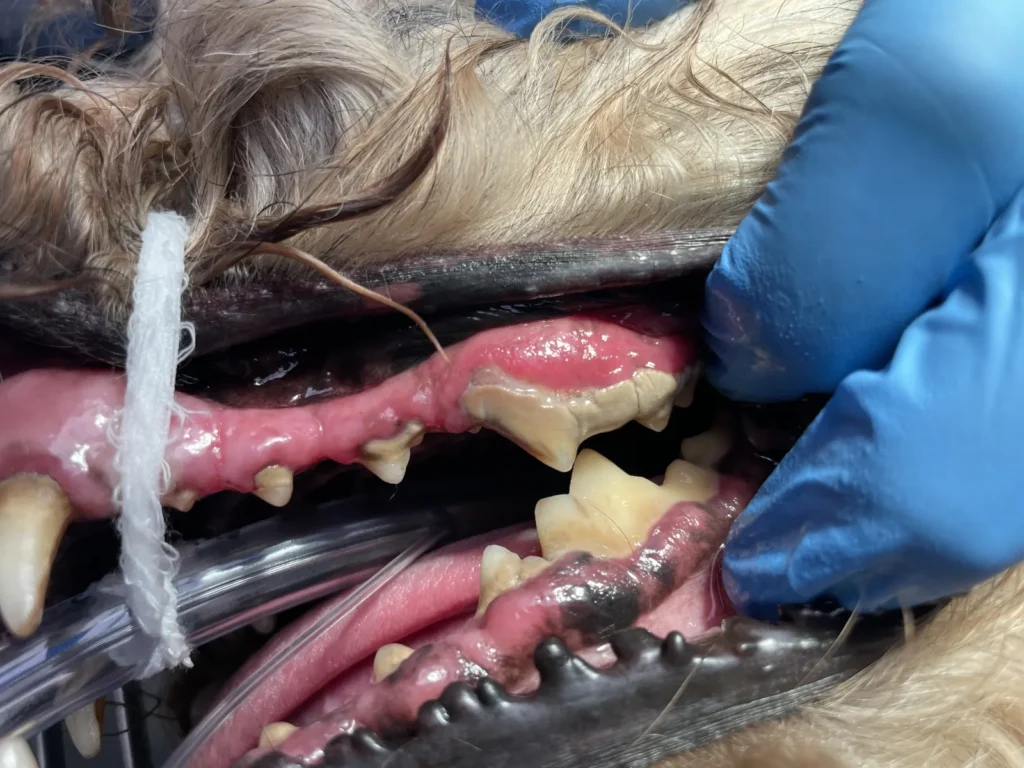
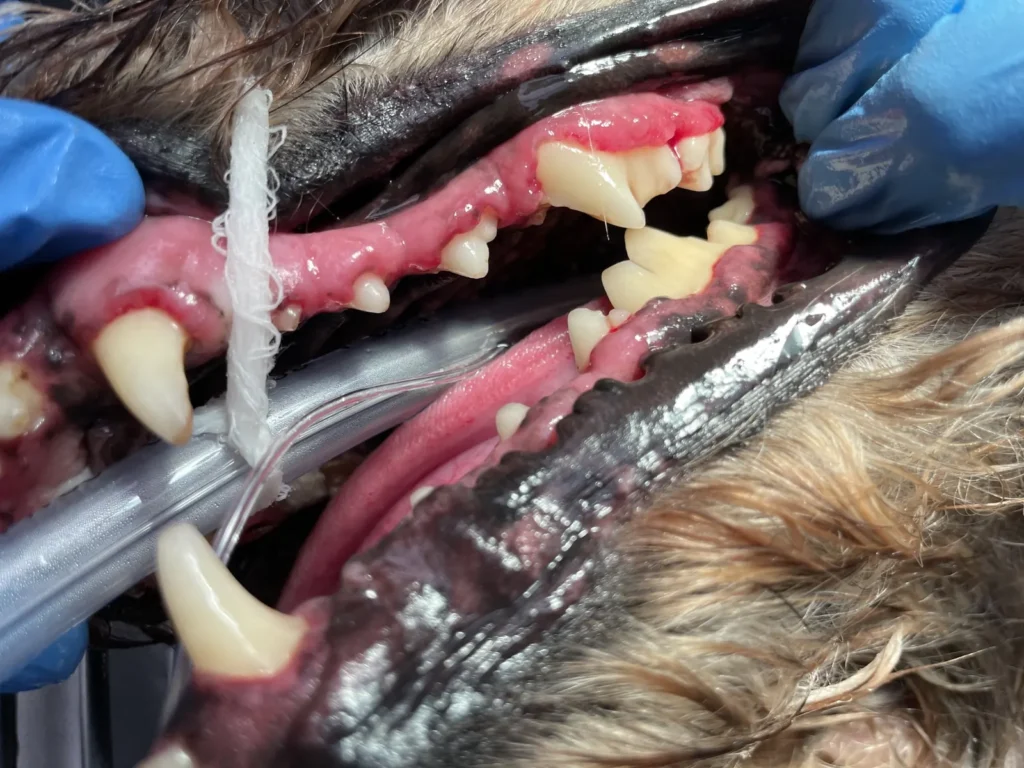
Before & after a dental cleaning
Real results from our dental suite. These photos were taken with the patient safely under anesthesia, before and after a professional cleaning.
Understanding the stages of dental disease
Dental disease is one of the most common medical conditions seen in pets. In fact, studies estimate that the majority of dogs and cats show signs of periodontal disease by around 3 years of age, often long before obvious symptoms become noticeable at home.
Dental disease develops gradually over time and frequently progresses below the gumline before visible changes are seen. Many pets continue eating and behaving relatively normally even while experiencing significant oral discomfort or infection.
As dental disease advances, pets may experience:
- Pain and inflammation
- Infection and bone loss
- Difficulty eating
- Tooth damage or tooth loss
- Potential effects on overall health
Because much of dental disease develops beneath the surface, professional dental cleanings and dental X-rays play an important role in identifying problems earlier and helping pets remain comfortable long-term.
Professional dental cleanings under anesthesia
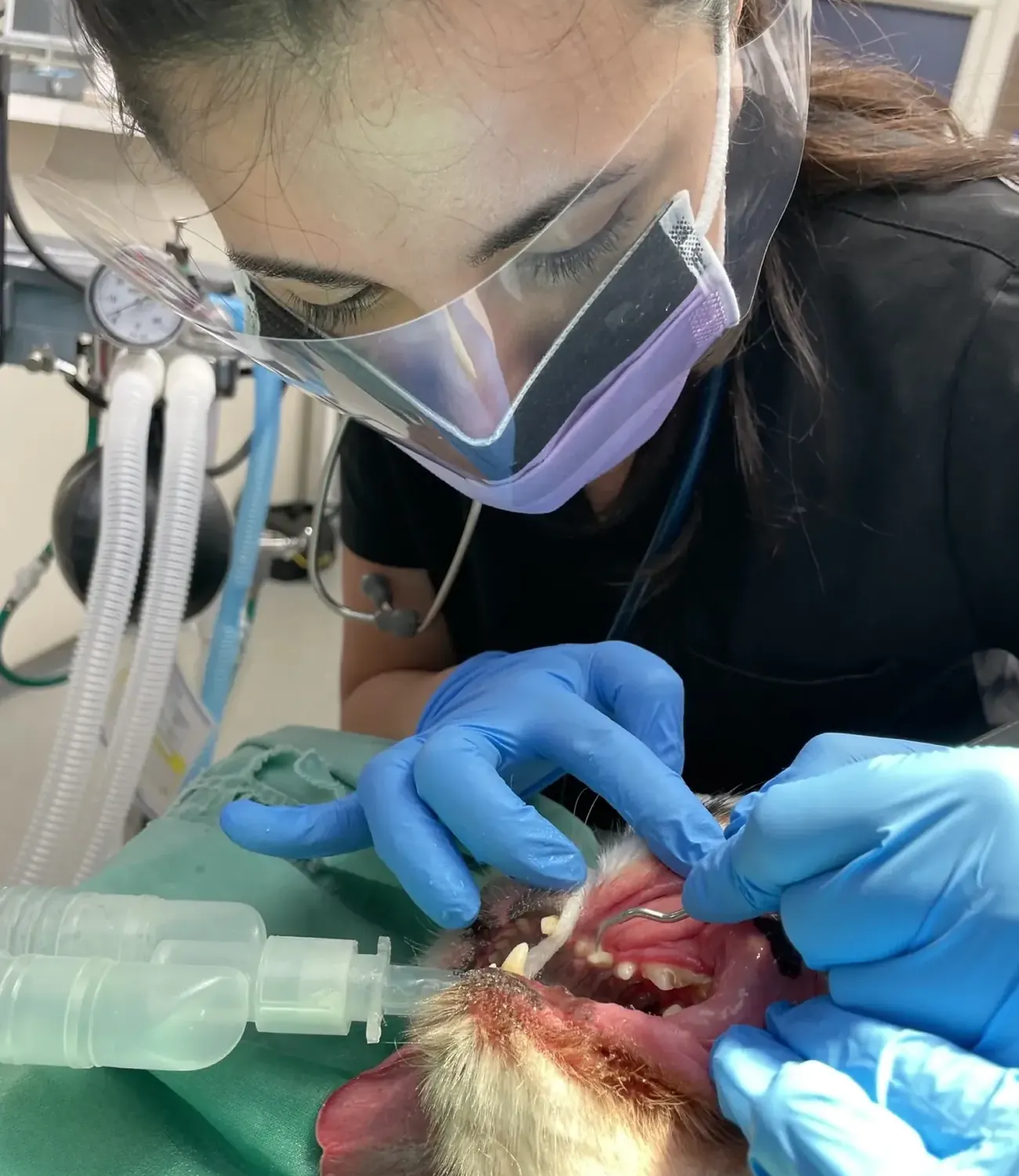
Professional dental cleanings are performed under anesthesia to allow for a safe and thorough evaluation of the mouth.
Anesthesia allows our veterinary team to:
- Safely clean below the gumline
- Take dental X-rays
- Fully examine the mouth
- Evaluate painful or damaged teeth
- Perform extractions when necessary
- Minimize stress and movement during the procedure
Without anesthesia, it is not possible to safely or thoroughly evaluate the areas where dental disease most commonly develops.
Our team understands anesthesia can feel intimidating for pet owners, which is why we take anesthetic safety seriously through:
- Pre-anesthetic examinations
- Bloodwork recommendations
- Individualized anesthesia protocols
- Patient monitoring throughout the procedure
- Pain management and recovery support
Every dental procedure is tailored to the individual pet’s age, health status, and medical needs.
The importance of dental X-rays
Many painful dental conditions cannot be seen during a visual exam alone.
Dental X-rays allow our veterinary team to evaluate:
- Tooth roots
- Bone loss
- Fractured teeth
- Abscesses
- Retained roots
- Resorptive lesions in cats
- Hidden infection and decay
In many pets, significant disease may be present even when the visible portion of the tooth appears relatively normal.
Dental radiographs help us create more accurate treatment plans while identifying painful conditions that might otherwise go unnoticed.
Dental care for dogs & cats
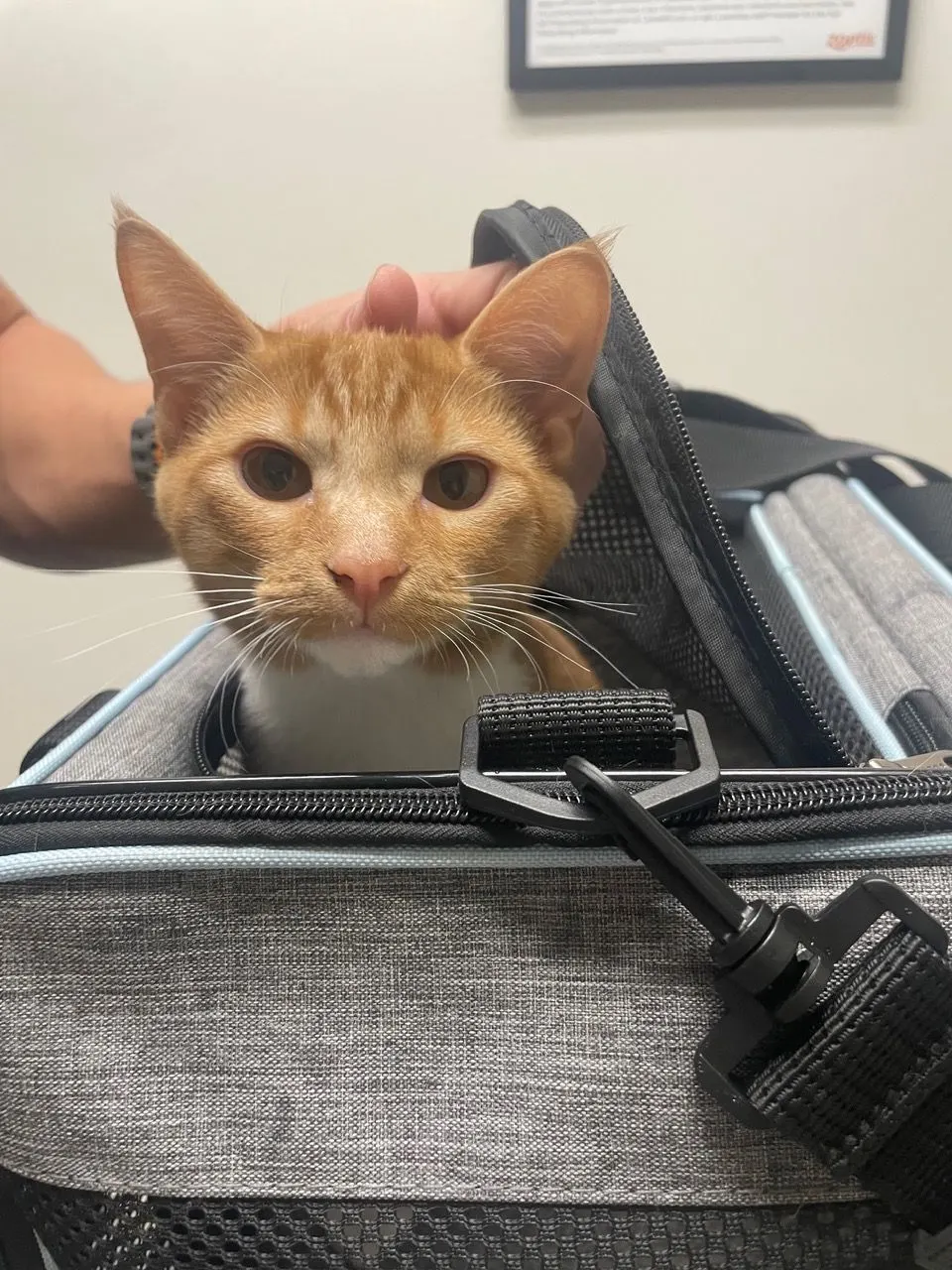
Annual professional dental care is an important part of long-term wellness for both dogs and cats.
Who’s more prone
Some breeds and individual pets may be especially prone to dental disease, including:
- Small breed dogs
- Flat-faced breeds
- Senior pets
- Cats prone to tooth resorption
- Pets with crowded teeth
Our dental services
Our dental services for dogs and cats may include:
- Professional dental cleanings
- Dental X-rays
- Tooth extractions
- Oral surgery
- Evaluation of oral masses
- Treatment for periodontal disease
- Pain management and recovery care
We also work with pet owners to discuss home dental care options that may help support oral health between professional cleanings.
Dental & oral care for exotic pets
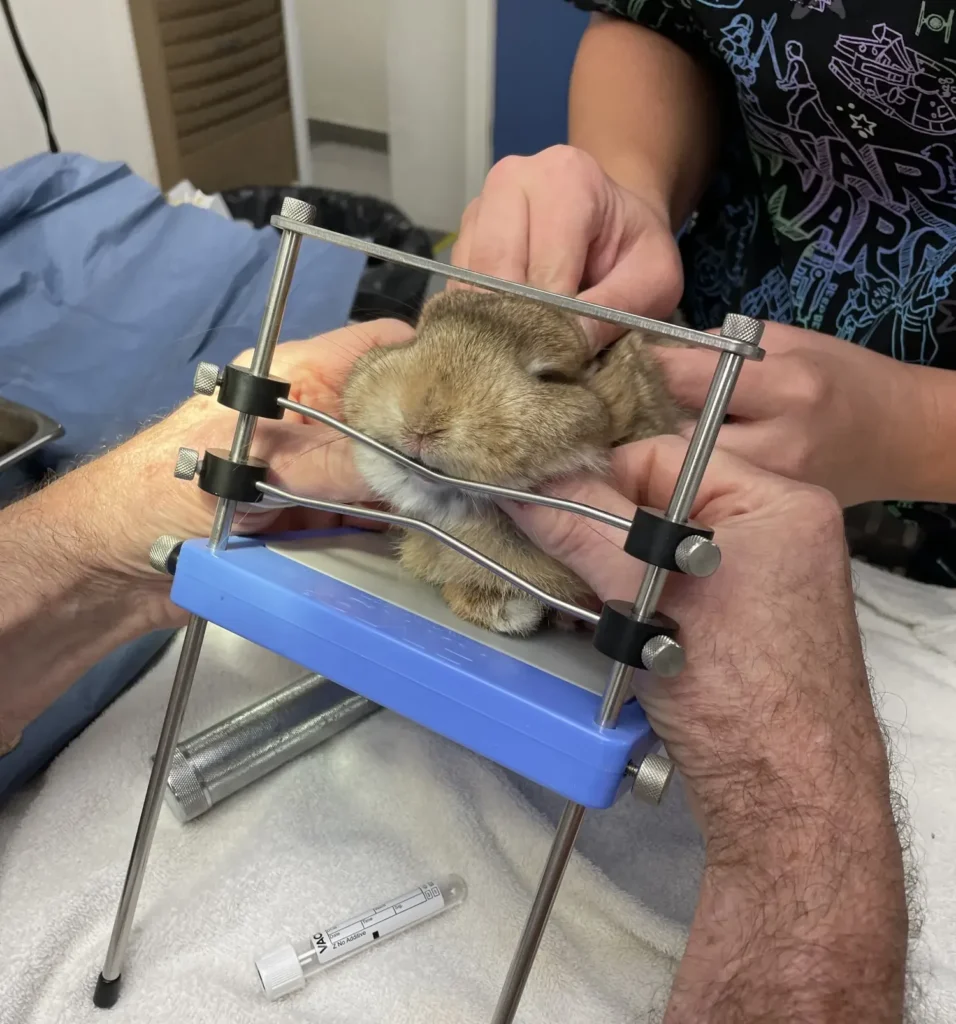
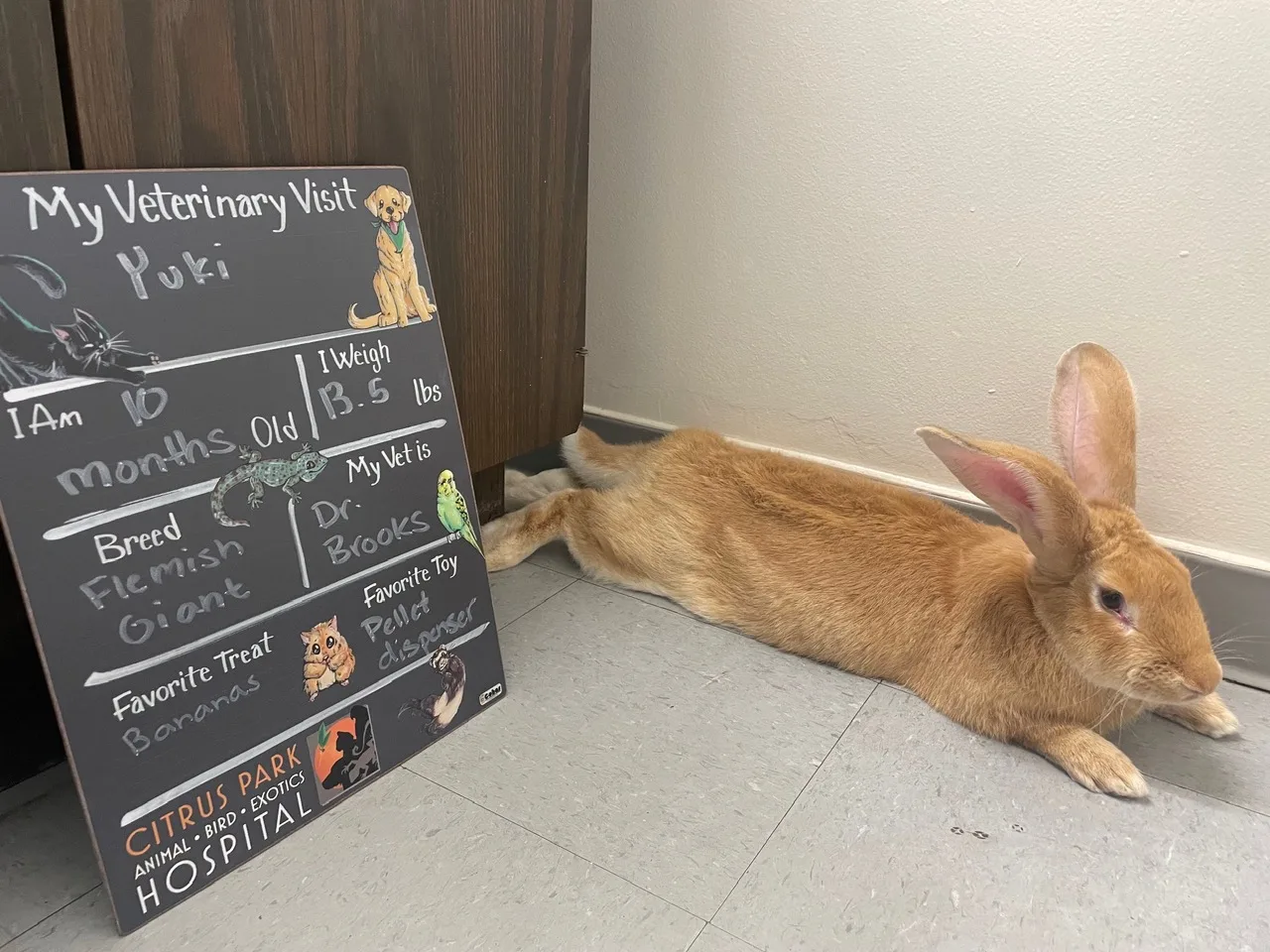
Exotic animal medicine has always been part of Citrus Park Animal, Bird & Exotics Hospital’s identity, and oral health concerns can look very different across species.
Our team regularly evaluates and manages oral and dental concerns in:
- Rabbits
- Guinea pigs
- Hamsters
- Ferrets
- Birds
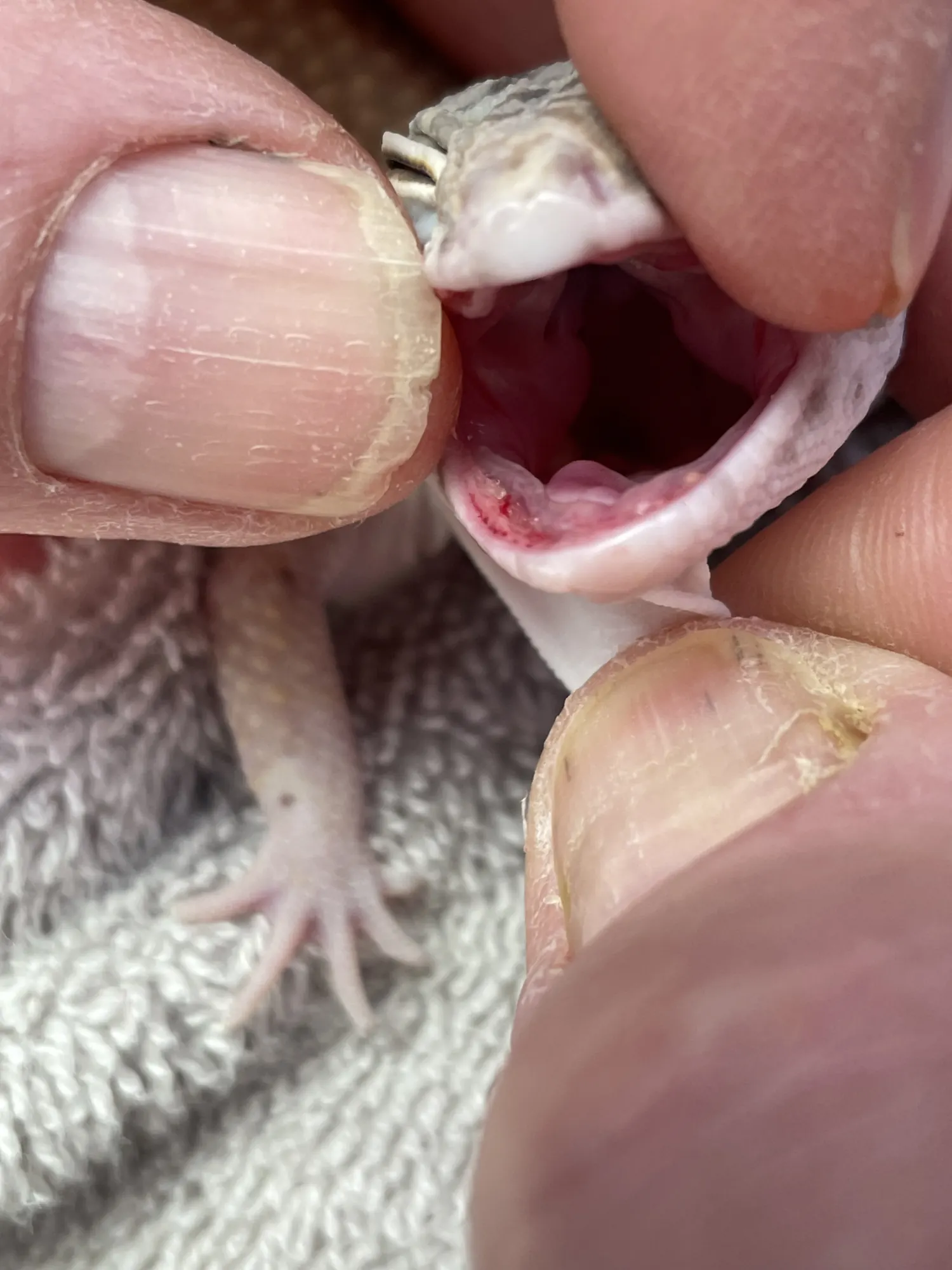
- Reptiles
- Other exotic companions
Exotic pets may experience:
- Overgrown teeth
- Malocclusion
- Oral trauma
- Beak abnormalities
- Difficulty eating
- Facial swelling
- Nutritional complications related to dental disease
Because many exotic species naturally hide illness until conditions become advanced, regular evaluations can help identify problems earlier.
Our hospital also performs beak trims and oral evaluations for many avian patients.
Compassionate dental care built around communication
We understand that hearing your pet may need dental treatment or extractions can feel stressful.
Our team takes time to explain:
- What we are seeing
- Why treatment is recommended
- What dental X-rays may reveal
- What to expect during recovery
- How to support oral health moving forward
Whenever possible, we work collaboratively with families to create realistic treatment plans while helping pets receive the care they need comfortably and safely.