



A simple way to help lost pets find their way home
No pet owner ever expects their dog, cat, bird, rabbit, or other companion animal to become lost. Unfortunately, even the most careful owners can experience an unexpected escape, open gate, broken leash, or household accident.
At Citrus Park Animal, Bird & Exotics Hospital, we believe microchipping is one of the simplest and most effective ways to help reunite lost pets with their families. While collars and ID tags are important, they can become damaged, removed, or lost.
A microchip provides permanent identification that stays with your pet for life.
What is a microchip?
A microchip is a small electronic chip, about the size of a grain of rice, that is placed just beneath the skin. The process is quick, safe, and similar to receiving a vaccination.
Each microchip contains a unique identification number that can be read using a special scanner. When a lost pet is brought to a veterinary hospital, shelter, or animal rescue organization, the microchip can help connect that pet back to its owner.
Why microchipping matters
Thousands of lost pets enter shelters every year without identification. Pets that have both a collar and a registered microchip have a much better chance of being reunited with their families.
Microchipping can be especially valuable for:
 Dogs that enjoy outdoor activities
- Indoor cats that may accidentally escape
- Birds and exotic pets
- Newly adopted pets
- Traveling pets
- Pets who become frightened during storms or fireworks

Even pets that spend most of their time indoors can benefit from permanent identification.
Microchipping for dogs, cats & exotic pets
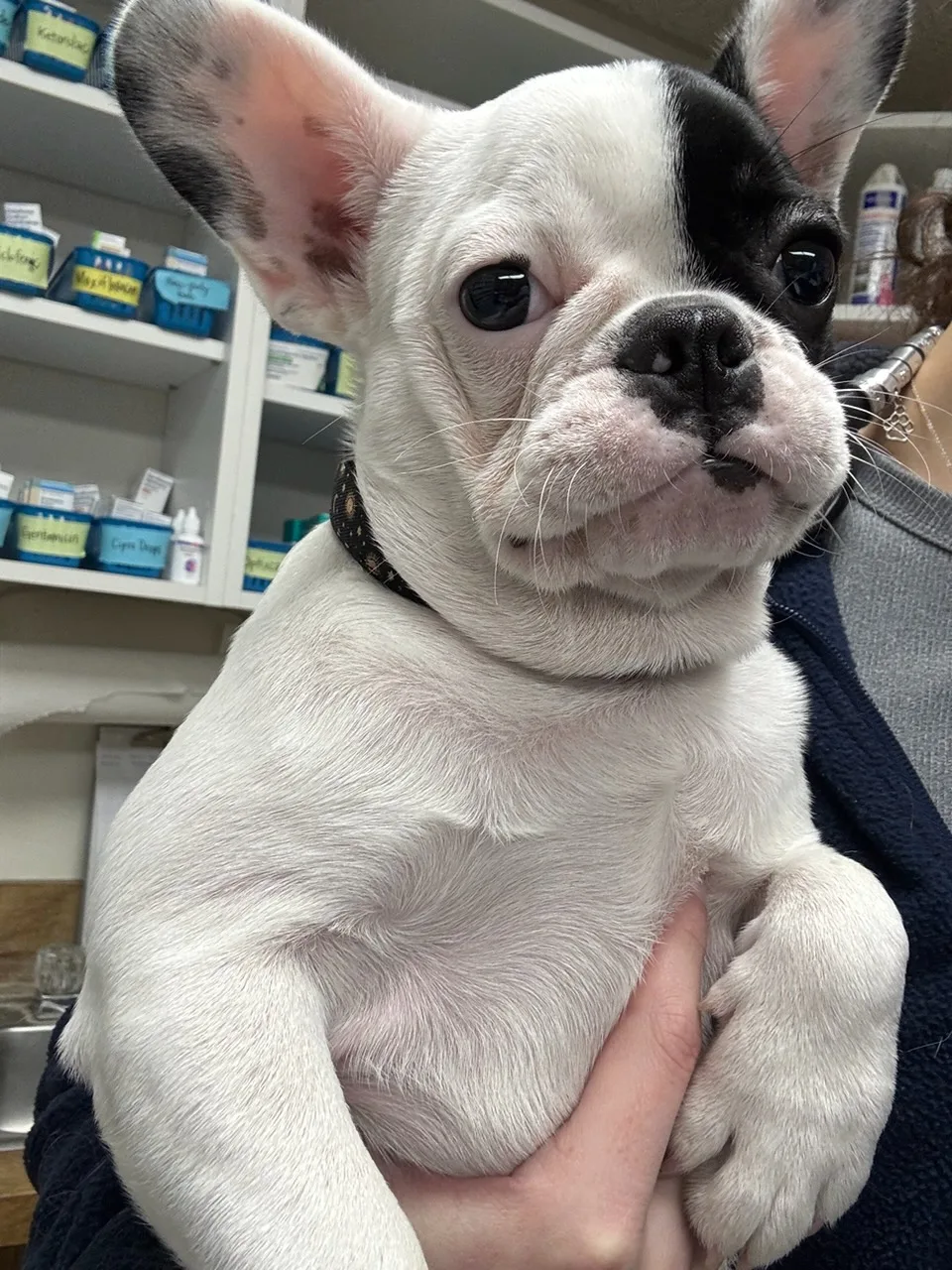
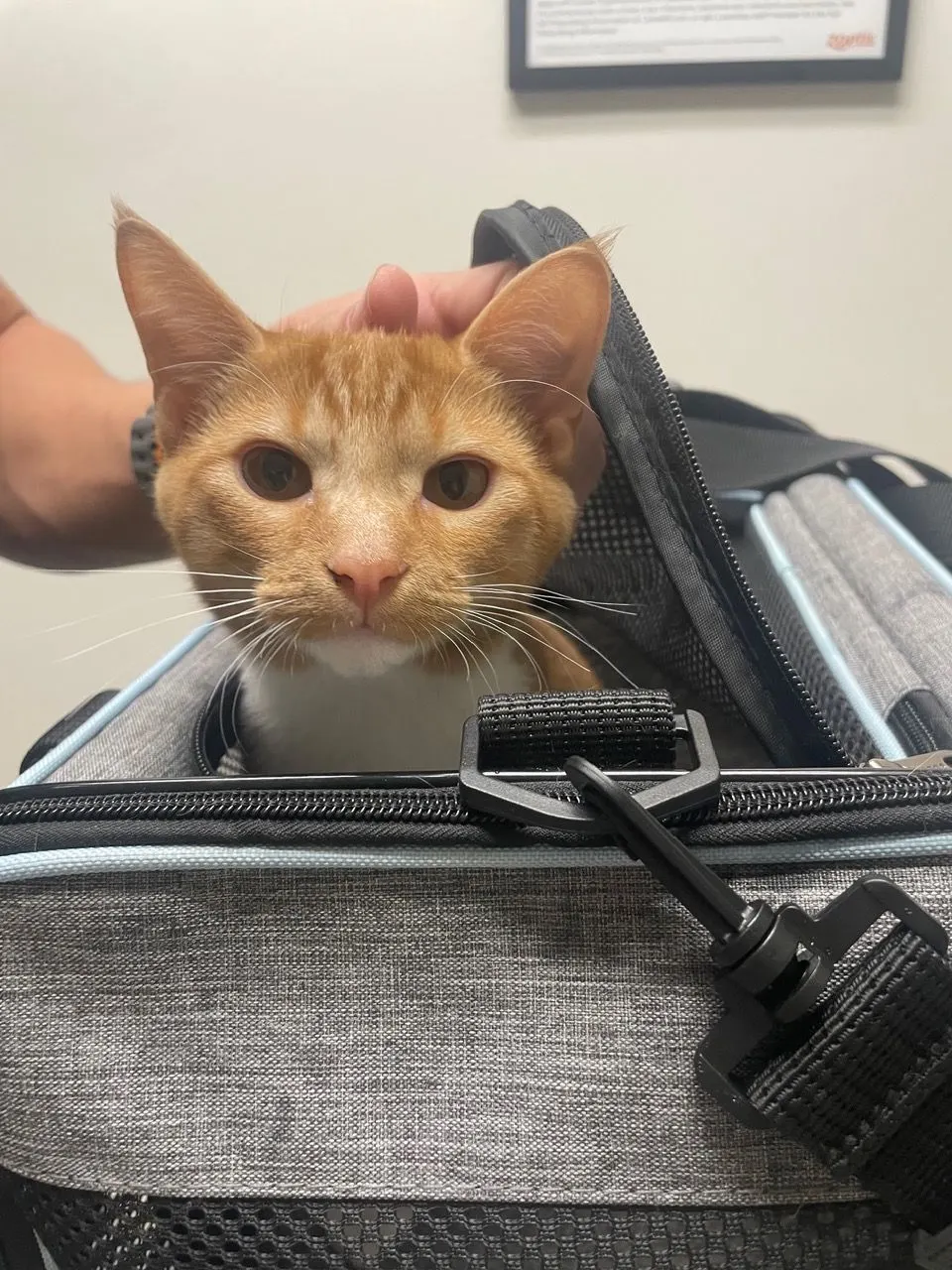
At Citrus Park Animal, Bird & Exotics Hospital, we provide microchipping services for dogs, cats, and many exotic companion animals.
Because our hospital regularly cares for birds, rabbits, reptiles, and pocket pets, we understand that these pets can become lost just as easily as traditional household pets.
Our team can discuss whether microchipping is appropriate for your pet and answer any questions you may have about the process.
A lifetime of protection in just minutes
Microchip placement typically takes only a few moments and does not require anesthesia or hospitalization. Many owners choose to have their pet microchipped during a wellness visit or surgical procedure.
Once the chip is registered and your contact information is kept up to date, your pet will have a permanent form of identification that can help them find their way back home if they are ever lost.