


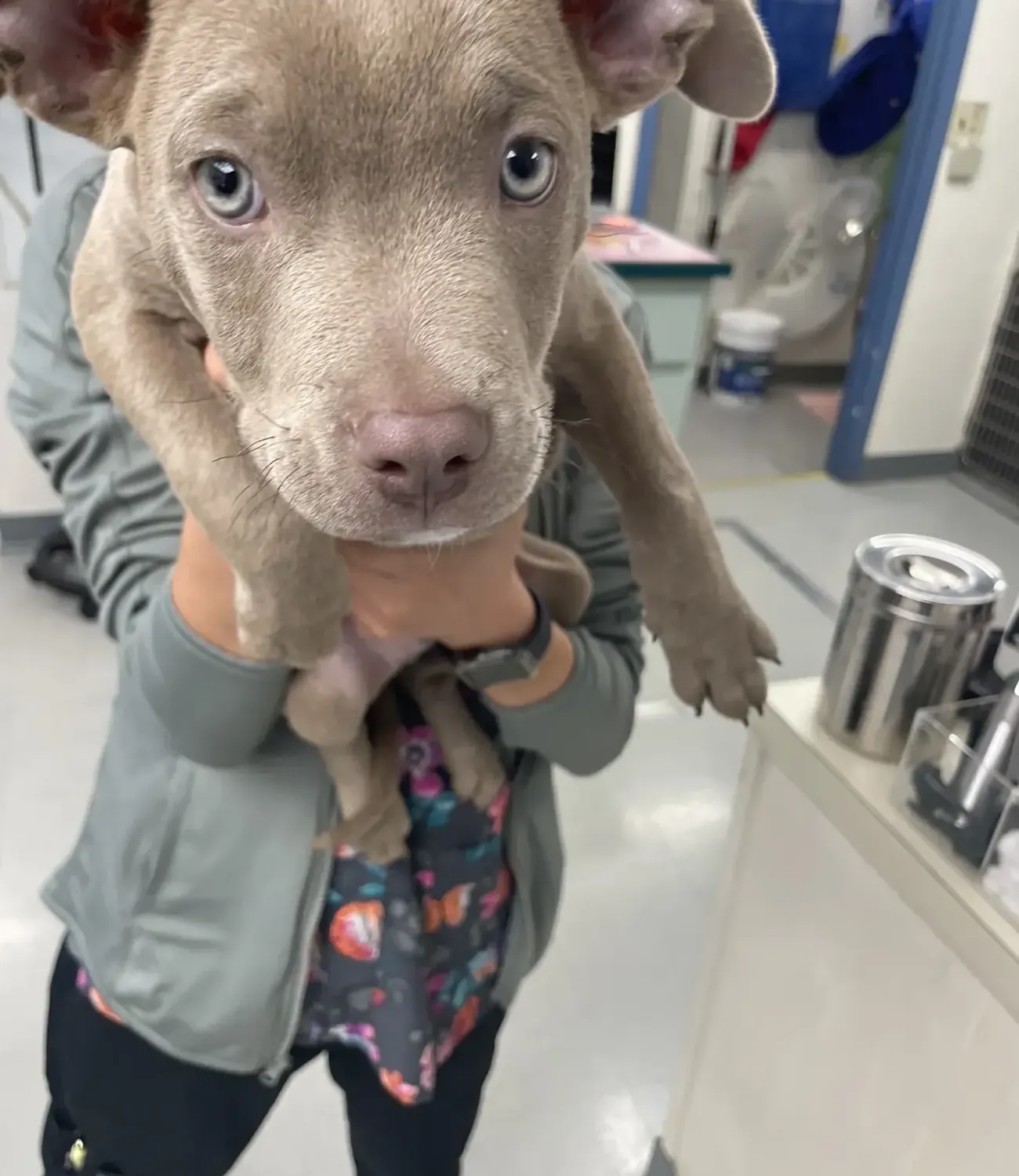


Preventive veterinary care for dogs and cats in Tampa Bay
We believe preventive care is one of the most important ways to help pets live longer, healthier, and more comfortable lives.
Regular wellness visits allow our veterinary team to monitor changes over time, identify concerns earlier, and provide personalized recommendations tailored to your pet’s lifestyle, age, species, and overall health.
For more than 40 years, our hospital has cared for pets throughout Tampa Bay through every stage of life, from first puppy and kitten visits to senior pet care and long-term medical management.
Our goal is to provide thoughtful preventive care focused on long-term wellness and quality of life.
What happens during a wellness visit?
Wellness visits are about far more than vaccines alone.
During your pet’s exam, our veterinary team evaluates overall health from nose to tail while discussing lifestyle, nutrition, behavior, mobility, parasite prevention, dental health, and any concerns you may have noticed at home.
Depending on your pet’s age, species, and medical history, wellness care may include:
 Comprehensive “nose to tail” physical examinations
- Vaccinations and booster recommendations
- Parasite prevention and testing
- Bloodwork and laboratory screening
- Nutritional guidance
- Weight management support
- Dental health evaluations
- Microchipping
- Behavioral discussions

Regular wellness care helps establish important health baselines that allow our team to recognize subtle changes earlier, often before pets begin showing obvious symptoms of illness.
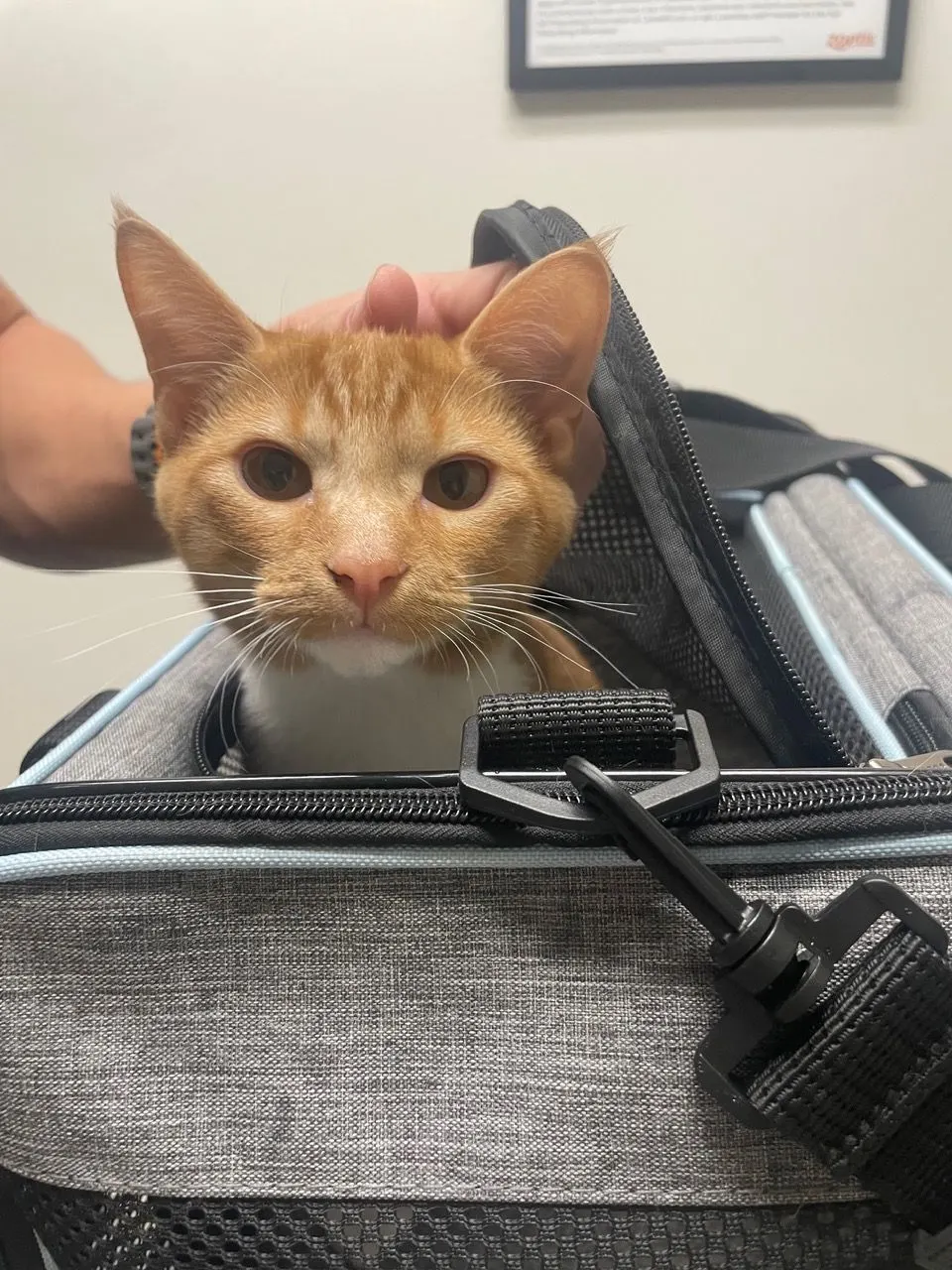
Wellness recommendations by life stage
Puppies & Kittens
Birth to 1 yearExams every 3 to 4 weeks during the initial vaccine series until approximately 16 weeks of age. Early visits focus on vaccines, parasite prevention, nutrition, growth and development, behavior, and spay/neuter planning.
Exams every 3 to 4 weeks during the initial vaccine series until approximately 16 weeks of age. Visits help monitor growth, nutrition, parasite prevention, litterbox habits, behavior, and early socialization.
Adult Pets
1 to 7 yearsMost healthy adult dogs benefit from yearly wellness exams, preventive diagnostics, parasite screening, and lifestyle-based vaccine recommendations.
Even indoor cats benefit from annual wellness visits to monitor dental health, weight, kidney function, mobility, and early signs of illness that cats often hide well.
Senior Pets
7 to 10 yearsSenior dogs often benefit from wellness visits every 6 months to help monitor arthritis, organ function, weight changes, mobility, and age-related disease earlier.
Because cats instinctively hide illness, senior cats often benefit from wellness evaluations every 6 months, whenever possible, to monitor kidney health, thyroid disease, arthritis, weight loss, and other age-related concerns.
Geriatric Pets
10+ yearsGeriatric dogs may require more frequent exams, laboratory monitoring, pain management evaluations, and supportive care to help maintain comfort and quality of life.
Geriatric cats frequently benefit from closer monitoring and more advanced diagnostics to help manage chronic disease, mobility changes, appetite shifts, cognitive decline, and overall quality of life.
Pets with Chronic Medical Conditions
Any agePets managing conditions such as diabetes, kidney disease, allergies, arthritis, heart disease, or hormonal disorders may require more frequent exams and ongoing laboratory monitoring.
Cats with chronic conditions such as hyperthyroidism, kidney disease, diabetes, arthritis, or heart disease often benefit from more frequent evaluations and diagnostic screening.
Vaccine recommendations based on lifestyle and risk
Vaccines are not one-size-fits-all. At Citrus Park Animal, Bird & Exotics Hospital, vaccine recommendations are tailored to your pet’s individual lifestyle, age, environment, travel exposure, and overall risk factors.
Some pets may require broader protection due to boarding, grooming, dog parks, wildlife exposure, or travel, while others may benefit from a more limited vaccine protocol based on lifestyle and medical history.
Our team takes time to discuss:
- Indoor vs. outdoor lifestyle
- Boarding and daycare exposure
- Hiking and outdoor activity
- Exposure to wildlife or standing water
- Multi-pet households
- Travel requirements
Core vaccines for dogs
Rabies
CoreRabies vaccination is required by Florida law for dogs, cats, and ferrets. Rabies is a fatal disease that can affect both animals and people, making vaccination an essential part of protecting pets and the community.
DHPP
CoreThe DHPP vaccine helps protect dogs against:
- Distemper
- Hepatitis
- Parvovirus
- Parainfluenza
These highly contagious diseases can cause serious illness, especially in puppies and unvaccinated dogs.
Leptospirosis
CoreLeptospirosis is commonly spread through water or soil contaminated with wildlife urine and is a significant concern in Florida’s warm, wet climate.
Dogs who spend time doing the following may be at increased risk:
- Outdoors
- Around standing water
- Hiking or exploring wooded areas
- In dog parks or shared outdoor spaces
Because leptospirosis is common in Florida’s warm, wet climate and can also spread to people, we consider it a core vaccine for dogs.
Lifestyle-based vaccines for dogs
Depending on your dog’s lifestyle and level of exposure, additional vaccines may be recommended, including:
Bordetella (Kennel Cough)
Lifestyle-basedOften recommended for dogs who:
- Board
- Visit groomers
- Attend daycare
- Visit dog parks
- Socialize with other dogs regularly
Canine Influenza
Lifestyle-basedCanine influenza vaccines may be recommended for dogs with frequent exposure to boarding facilities, daycare environments, grooming salons, training classes, or other high-contact social settings.
Lyme Disease
Lifestyle-basedLyme disease is spread by ticks. It is less common in Florida than in other parts of the country, so we may recommend the Lyme vaccine for dogs that travel, hike or camp in higher-risk areas, alongside year-round tick prevention.
Core vaccines for cats
Rabies
CoreRabies vaccination is also required for cats in Florida, including indoor cats.
FVRCP
CoreThe FVRCP vaccine helps protect cats against:
- Feline viral rhinotracheitis
- Calicivirus
- Panleukopenia
These viruses can spread easily between cats and may cause severe respiratory and gastrointestinal illness.
Lifestyle-based vaccines for cats
Feline Leukemia (FeLV)
Lifestyle-basedFeLV vaccination may be recommended for:
- Outdoor cats
- Indoor/outdoor cats
- Young cats
- Cats exposed to unfamiliar cats
Our veterinary team helps determine whether FeLV vaccination is appropriate based on your cat’s lifestyle and risk factors.
Feline Bordetella
Lifestyle-basedBordetella can cause upper respiratory infections in cats. We may recommend this vaccine for cats that board, visit groomers, or live in multi-cat households, shelters or rescue settings.
Year-round parasite prevention in Florida
In Florida’s warm climate, parasite prevention is important year-round.
Unlike colder regions, where fleas, ticks, mosquitoes, and intestinal parasites may become seasonal concerns, Tampa Bay pets can remain at risk year-round.
Mosquitoes can spread heartworm disease, while fleas and ticks may transmit additional illnesses and create ongoing skin problems. Even indoor pets can still be exposed to parasites through open doors, windows, clothing, shoes, and other animals in the household.
Our veterinary team helps create personalized parasite prevention plans based on your pet’s lifestyle and level of exposure.
Environmental risks for Tampa Bay pets
Florida’s environment presents several unique risks for pets beyond parasites alone.
Throughout the Tampa Bay area, pets may encounter:
- Venomous snakes
- Toxic plants
- Wildlife exposure
- Standing water contamination
- Heat and humidity-related illness
- Harmful algae exposure
- Outdoor toxins and pesticides
Curious puppies, outdoor cats, hunting breeds, and adventurous pets may be especially vulnerable to environmental hazards.
During wellness visits, our team helps educate pet owners about common local risks and ways to keep pets safe indoors and outdoors.
Wellness FAQs
How often should my pet have a wellness exam?
There is no one-size-fits-all answer. A pet’s age, species, lifestyle, and overall health all play a role in determining how often they should be seen.
During your pet’s visit, we’ll discuss any concerns you may have and recommend an examination schedule tailored to your pet’s individual needs. Puppies, kittens, senior pets, and pets with ongoing medical conditions often benefit from more frequent evaluations than healthy adult pets.
How often does my pet need a rabies vaccine?
Rabies vaccination requirements vary depending on your pet’s age, vaccination history, lifestyle, and the type of vaccine being used.
Both one-year and three-year rabies vaccines are available. After performing a physical examination and reviewing your pet’s medical history, our veterinary team will recommend an immunization schedule that is appropriate for your pet.
What vaccines does my pet need?
Vaccination recommendations are not identical for every pet. We believe vaccine plans should be based on your pet’s individual lifestyle, environment, travel habits, and risk factors.
During your pet’s wellness visit, we’ll discuss which vaccines are considered core recommendations and which may be beneficial based on your pet’s unique circumstances.
Do indoor cats really need annual veterinary visits?
Yes. Even indoor cats can develop medical conditions such as dental disease, kidney disease, thyroid disorders, arthritis, and weight-related concerns. Regular wellness visits help identify early signs of health changes and support long-term well-being.
How often should exotic pets see a veterinarian?
Most birds, reptiles, rabbits, and other exotic pets benefit from regular wellness examinations. Because many exotic species instinctively hide signs of illness, regular veterinary wellness visits can help identify concerns before they become more serious.